
Political Rights for Palestinians
The Israeli prison system is one of the most refined weapons of Zionism. Mass imprisonment functions as a counter-revolutionary strategy aimed at systematically dismantling Palestinian political organization, neutralizing leadership, and breaking the collective capacity of the Palestinian people to resist settler-colonial domination.
From the earliest days of the occupation, imprisonment has been deployed not to protect civilians, but to destroy politics of resistance, incarcerating people for what they represent: their ability to organize, educate, mobilize, and give structure to resistance. Political cadres, trade unionists, student leaders, intellectuals, elected representatives, and movement organizers are deliberately targeted because they constitute the backbone of Palestinian collective struggle.
This strategy is best understood as organizational decapitation. Figures such as Marwan Barghouti, a central leader of the Second Intifada with mass popular legitimacy, were imprisoned because they could not be replaced easily. His incarceration was designed to sever a living link between grassroots mobilization and national political leadership. Similarly, Ahmad Sa’adat, General Secretary of the Popular Front for the Liberation of Palestine, was imprisoned to weaken the revolutionary left and signal that any coherent alternative to the Oslo framework would be crushed.
Administrative detention represents one of the most naked expressions of colonial power. It allows the Zionist to imprison Palestinians indefinitely without charge or trial, transforming political life into a condition of permanent insecurity. Under such a regime, organizing becomes an act of defiance in itself. Movements are forced into defensive postures, unable to plan long-term strategies or build stable institutions. This is not accidental, but the intentional production of political paralysis.
Imprisonment also operates to criminalize political existence. Under Zionist military law, political affiliation, participation in unions or student councils, and even the act of public speech can be designated as “security threats.” Leaders such as Khalida Jarrar, a feminist organizer, parliamentarian, and intellectual, have been repeatedly imprisoned for nothing more than their political work. The message is unmistakable: Palestinian political participation itself is illegal.
The prison system further drains the social and material resources of Palestinian society. Families, movements, and communities are forced to divert energy toward survival: legal defense, prison visits, medical care, and international advocacy. This is a form of collective punishment with political intent, exhausting the infrastructure that sustains resistance and replacing collective struggle with individualized hardship.

Youth and student organizers are targeted with particular intensity. By arresting young Palestinians at formative moments of political development, Israel interrupts the reproduction of revolutionary consciousness. This creates generational ruptures, leadership gaps, and organizational amnesia. What cannot be co-opted through NGOs or donor politics is instead neutralized through prison cells.
At the same time, the occupation seeks to prevent prisons themselves from becoming sites of revolutionary organization. The use of solitary confinement, constant transfers, bans on communication, and repression of internal prisoner committees reflects a deep fear: that even under conditions of captivity, Palestinians continue to organize. The long intellectual and political legacy of prisoners such as Walid Daqqa, who turned decades of incarceration into a space of radical thought and writing, exposes the failure of the prison to fully extinguish political life.

Finally, imprisonment serves an ideological function in the international arena. By reducing political leaders to “security detainees,” Israel attempts to depoliticize a colonial conflict and reframe it as law enforcement. This narrative erases the reality that Palestinian prisoners are political prisoners of a settler-colonial regime, incarcerated for resisting dispossession and apartheid.
In this sense, Israeli imprisonment is not simply repression – it is counter-insurgency, counter-revolution, and social warfare. It seeks to atomize Palestinian society, destroy organized political force, and render resistance leaderless, fragmented, and manageable. Yet the persistence of prisoner organization, hunger strikes, and political production behind bars demonstrates a fundamental truth: the prison is not only a site of domination, but a frontline in the struggle itself.
To confront Israeli imprisonment, therefore, is not merely to demand humanitarian reforms. It is to challenge a central mechanism of imperial control and to defend the very possibility of organized Palestinian political life.
videos
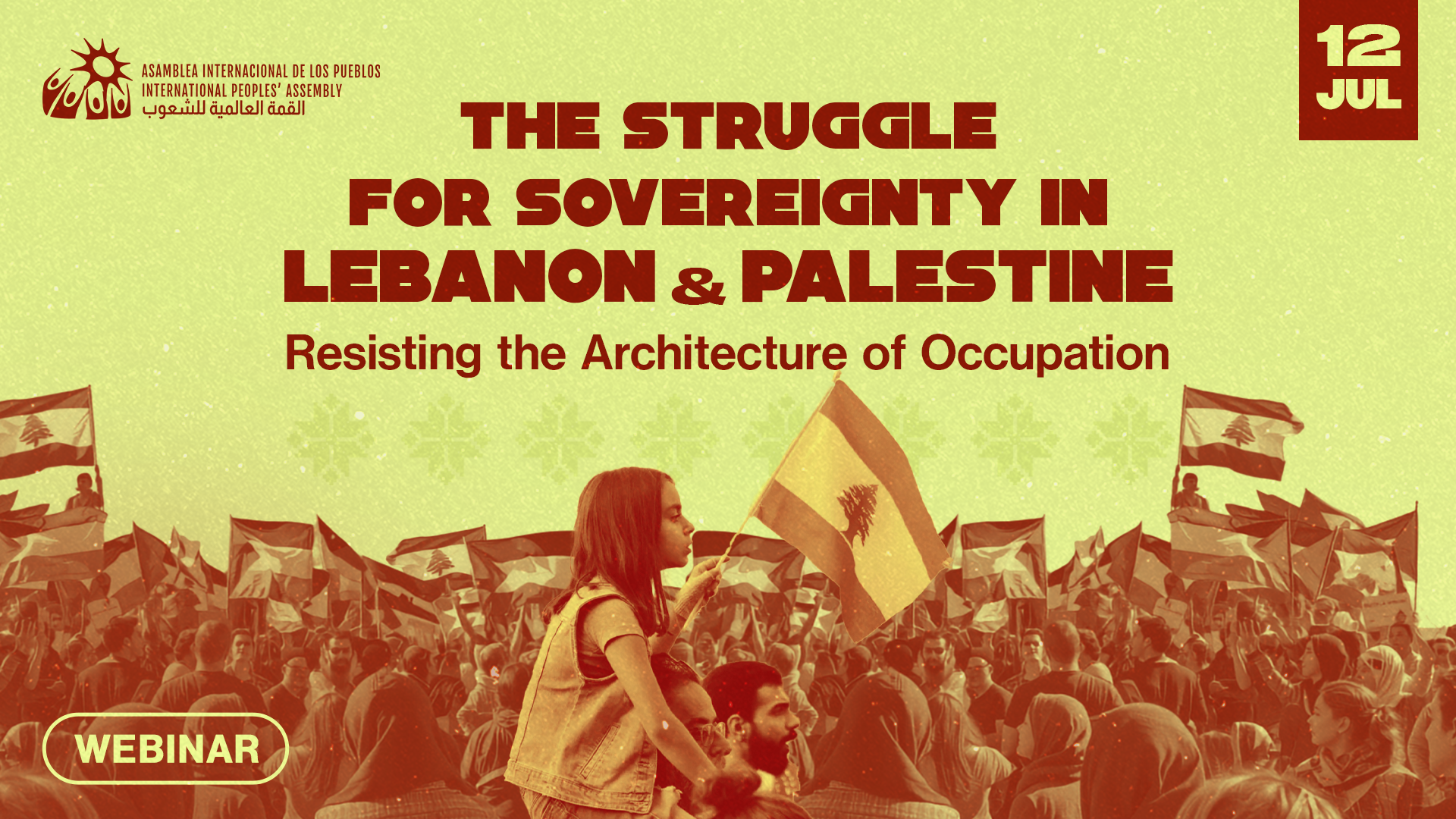
The Struggle for Sovereignty in Lebanon & Palestine: Resisting the Architecture of Occupation
July 12, 2006 is a date etched into the collective memory of Lebanon and the region as a symbol of defiance against overwhelming military might. As we commemorate this date 20 years on, we find ourselves at a new, precarious inflection point. The trilateral framework agreement signed on June 26,…

PUBLICATIONS

Breakthrough News
“They brought me here to kill me” Dr. Hussam Abu Safiya tells lawyer
Dr. Hussam Abu Safiya’s life is in imminent danger as he remains imprisoned by the Israeli occupation for a year and a half.
READ MORE: “They brought me here to kill me” Dr. Hussam Abu Safiya tells lawyer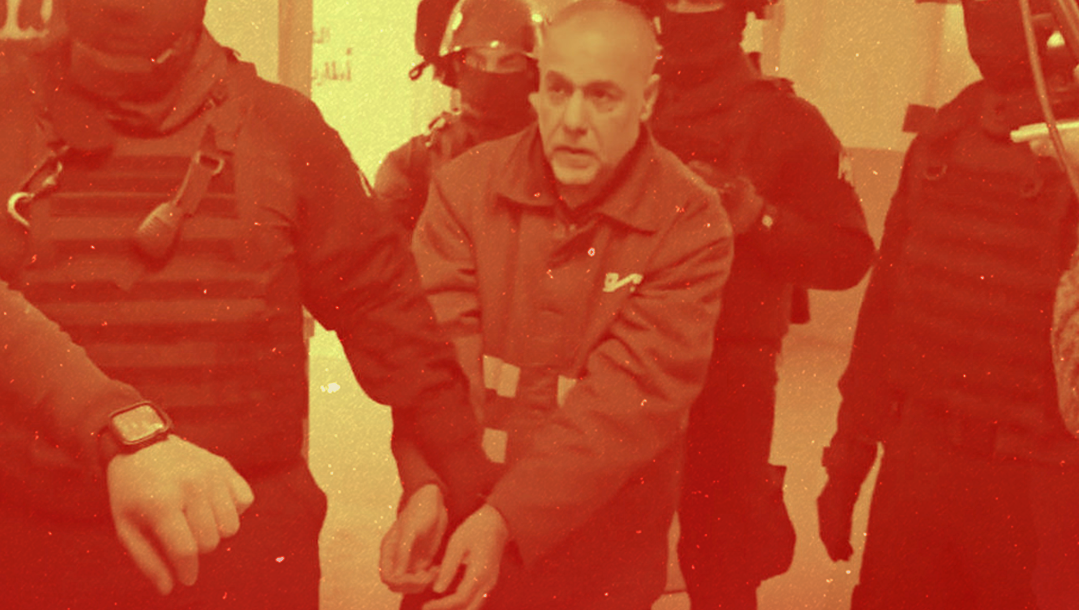
International Peoples’ Assembly
Freedom for Dr. Hussam Abu Safiya
People’s Dispatch
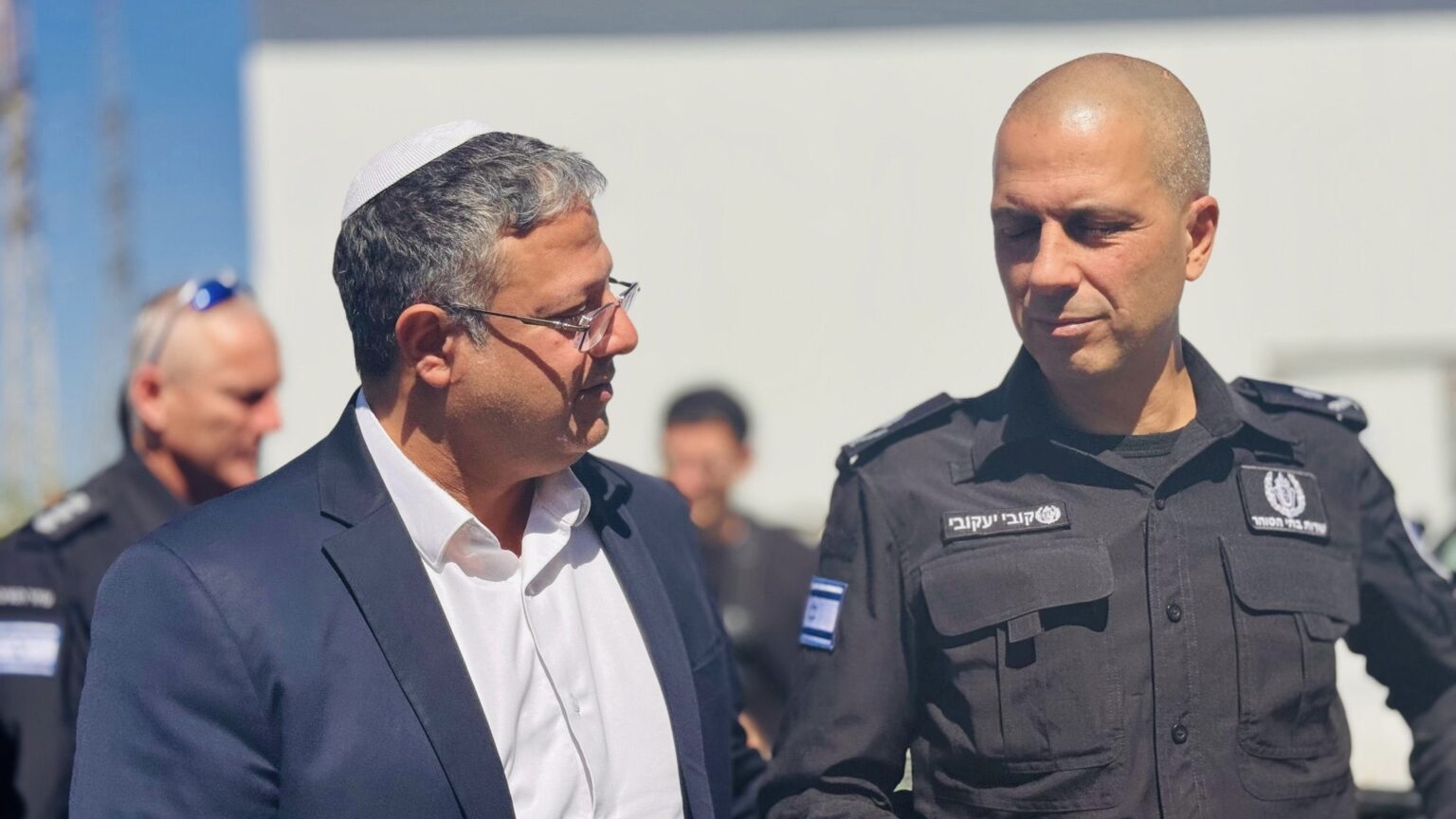
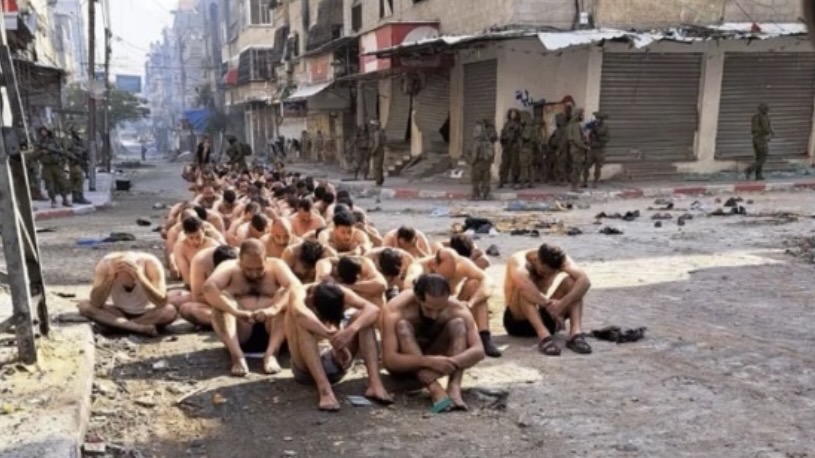
Israeli Knesset mandates death by hanging for Palestinian prisoners
People’s Dispatch
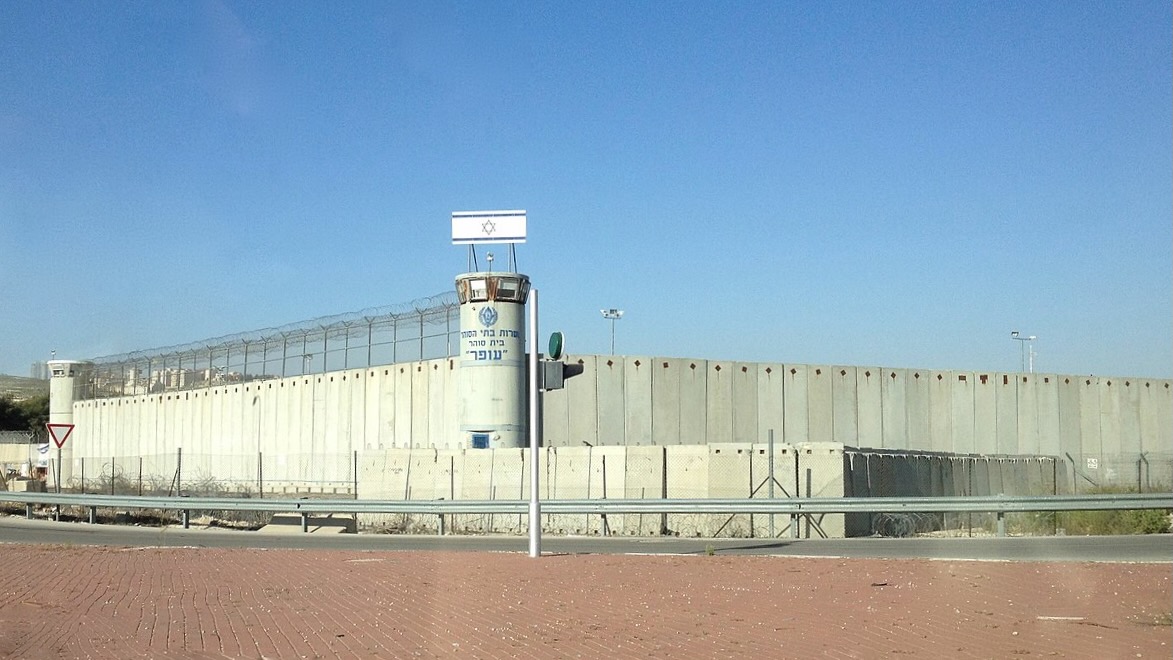
“On the first day I was raped twice”: PCHR report exposes sexual abuse of Palestinian prisoners by Israeli forces
People’s Dispatch
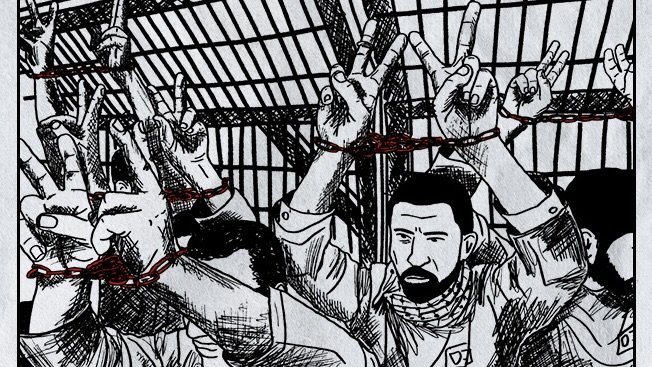
Israel escalates crackdown on Palestinian Prisoners’ Movement
People’s Dispatch
The Palestinian Prisoners’ Movement: the struggle behind bars
People’s Dispatch
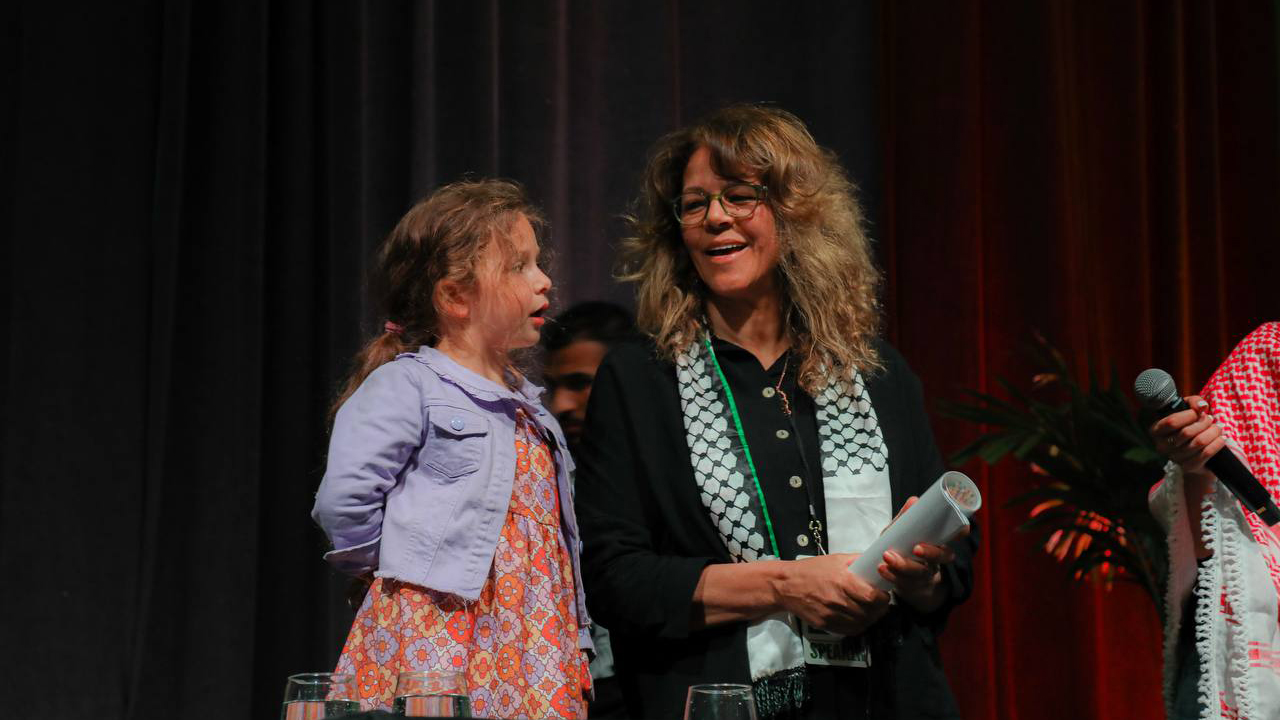
Creating life from a life sentence: Sana’ Daqqah on the Palestinian prisoners’ movement
Tricontinental Institute
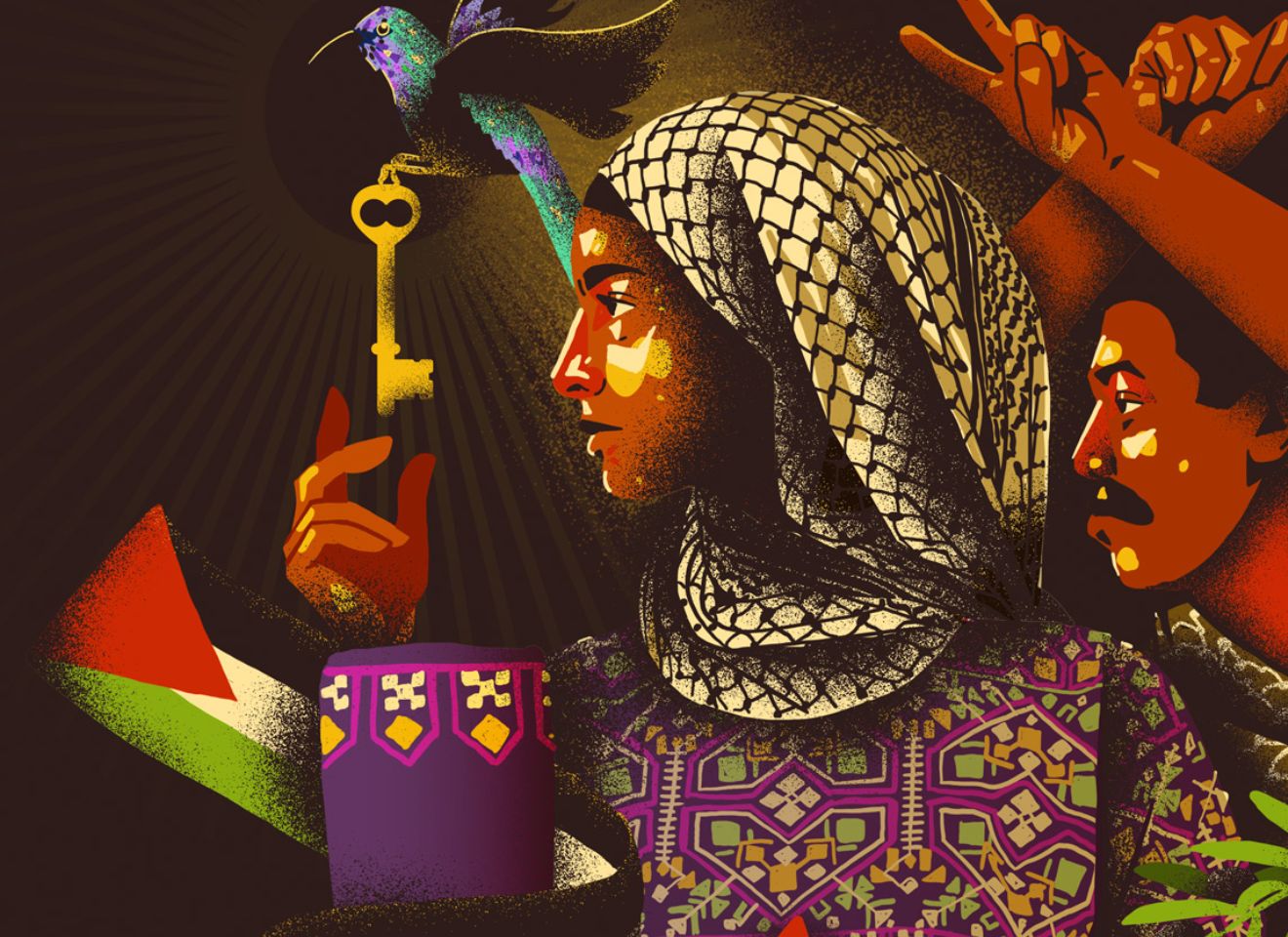
Despite Everything: Cultural Resistance for a Free Palestine
Related content
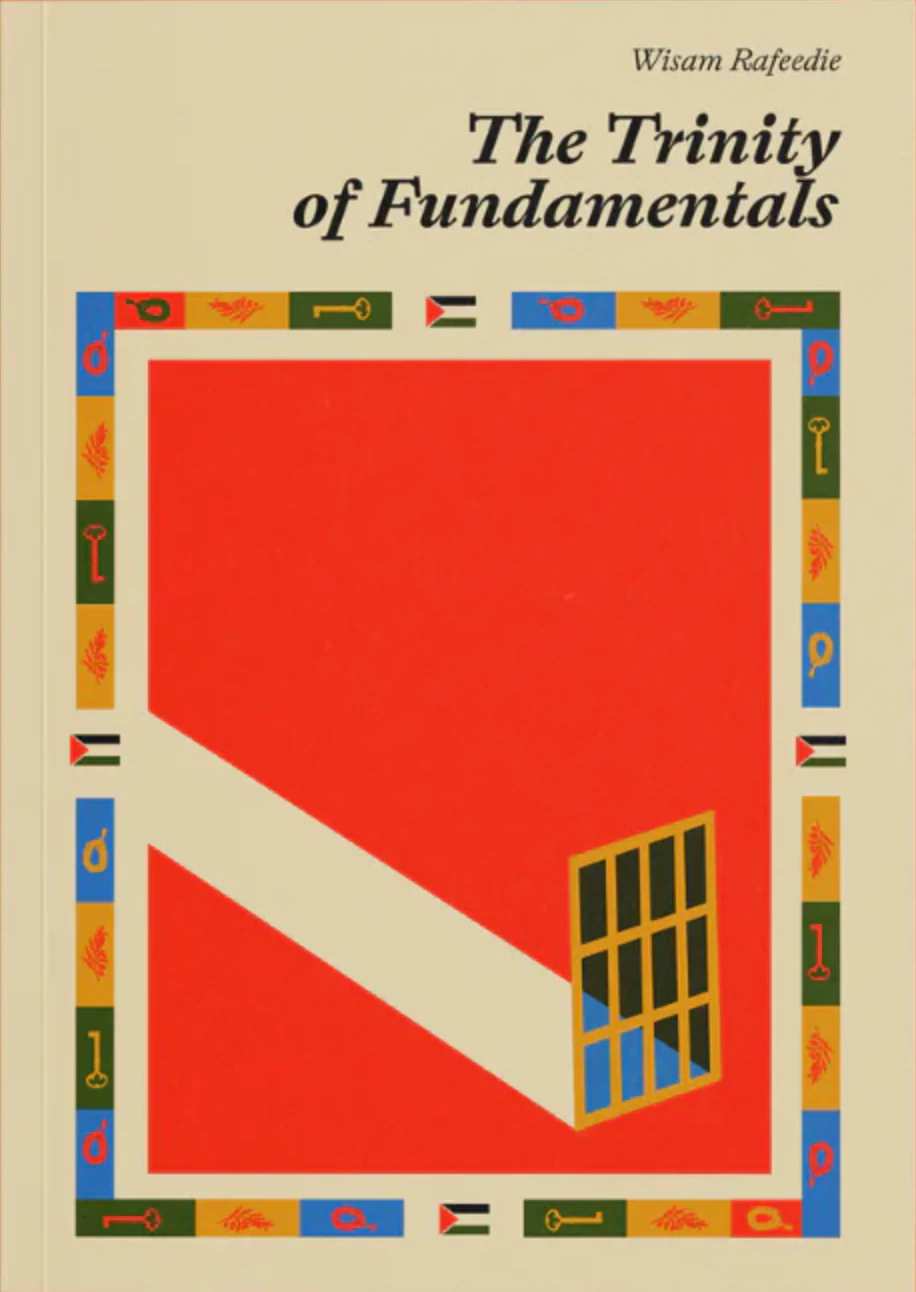
The Trinity of Fundamentals
Author: Wisam Rafeedie
The Trinity of Fundamentals follows the story of 22-year-old Kan’an during his nine years of hiding from the occupation between 1982 and 1991. Driven by an unshakable commitment to the Palestinian cause, Kan’an takes the reader through his compelling journey filled with sacrifice and struggle, love and pain, isolation and liberation. All the while, major political and historical transformations unfold across international, regional and local contexts, including the First Intifada. Throughout all this, Kan’an maintains a spirit of revolutionary optimism so strong that the reader is bound to be transformed. It is all the more moving to know that Kan’an’s story is inspired by the real life experience of Rafeedie as he organized and struggled against the Zionist oppression of his people.
Love, revolution, and life—these are the “Trinity of Fundamentals” that pave Kan’an’s path of struggle. Although the novel is set in the past, it holds many lessons that resonate with our current political moment, mobilizing us into collective action.