
Freedom for Dr. Hussam Abu Safiya
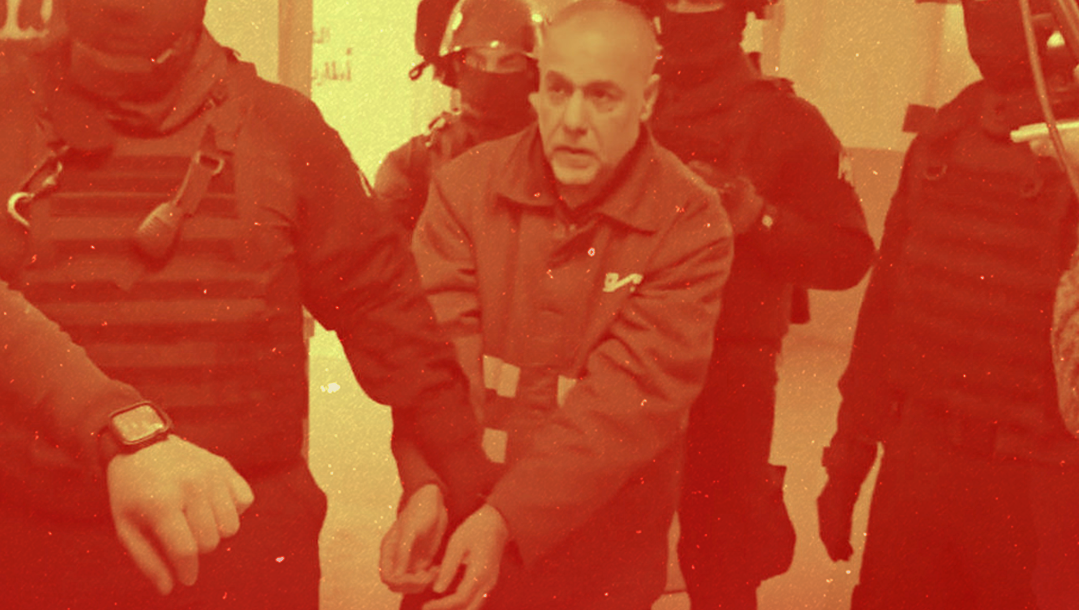
The struggle for Dr. Hussam Abu Safiya’s freedom continues to evolve, reflecting the broader, grinding reality of the Palestinian prisoners’ movement. Despite the international calls for his release and the repeated warnings from UN rapporteurs regarding his health, the judicial process remains a venue for further delays. The most recent hearings highlight a rigid system that treats health professionals as security threats, with the court’s continued refusal to remove his shackles during video appearances serving as a grim visual testament to his treatment.
Recent updates from his legal team, including Nasser Odeh, suggest that the conditions at Nafha prison have not improved; in fact, the bureaucratic and physical walls surrounding the doctor seem to have hardened. The prosecution continues to rely on “confidential files” evidence that remains inaccessible to his defense to justify his ongoing detention. This creates a circular legal trap: because the “evidence” is secret, the defense is denied the opportunity to refute the claims, and the court, by deferring to the intelligence services, provides a veneer of legality to what is effectively an indefinite, extrajudicial imprisonment. This tactic has become a hallmark of how authorities handle high-profile medical detainees, ensuring that they remain isolated from their families, the medical community, and any meaningful legal recourse.
Meanwhile, the toll on the Abu Safiya family has become increasingly heavy. As the calendar moves further into 2026, the uncertainty has shifted from a state of acute crisis to a long-term endurance test. His family, particularly his son Elias, has continued to act as his voice, ensuring that the doctor is not seen merely as a case number or a political bargaining chip. They have emphasized that their father’s struggle is representative of a larger, systemic erasure of Gaza’s medical capacity. By removing a director of a major hospital and keeping him in conditions that actively endanger his life, the occupation forces have sent a clear message about the precarious existence of those tasked with preserving life under fire.
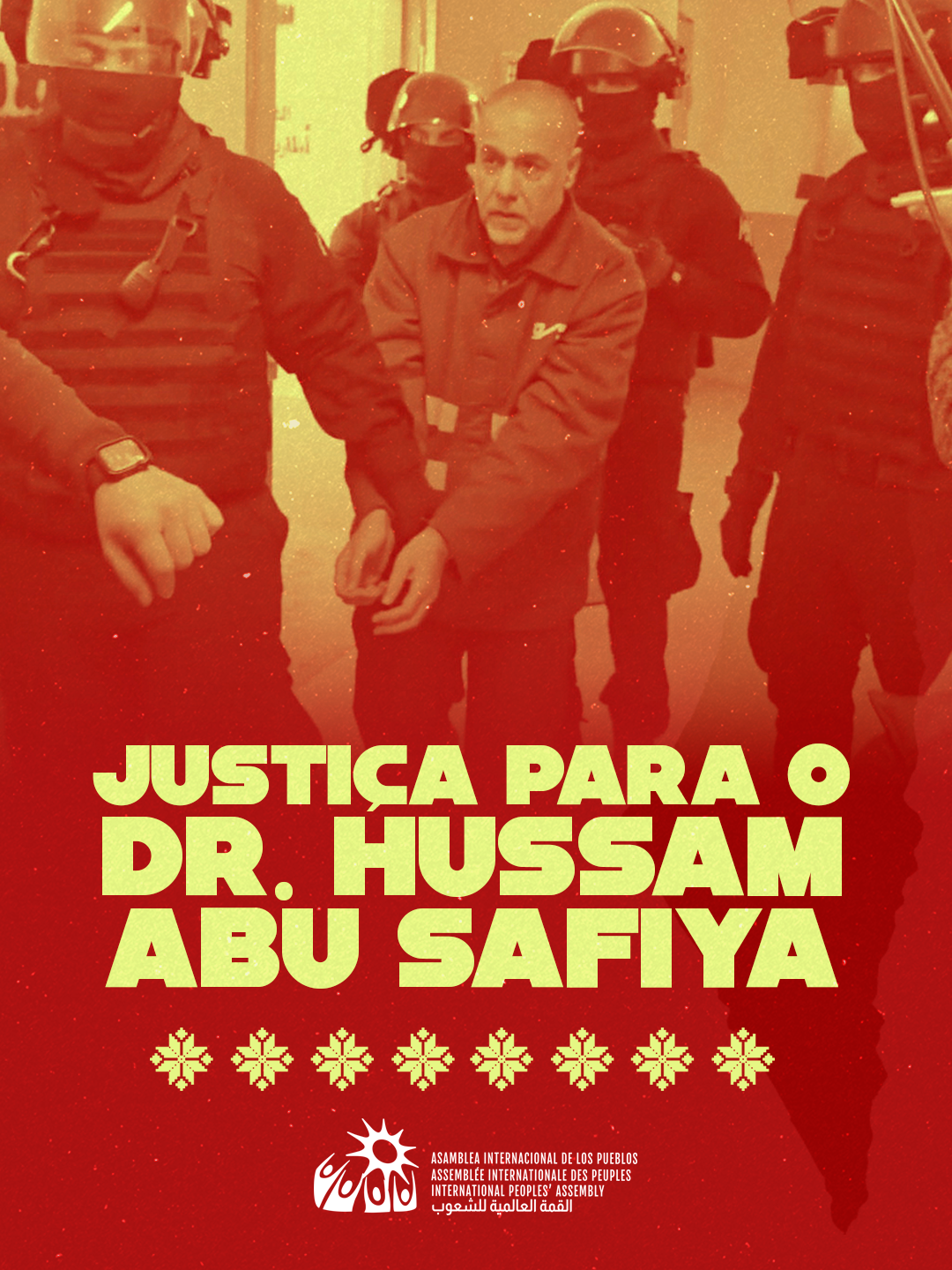
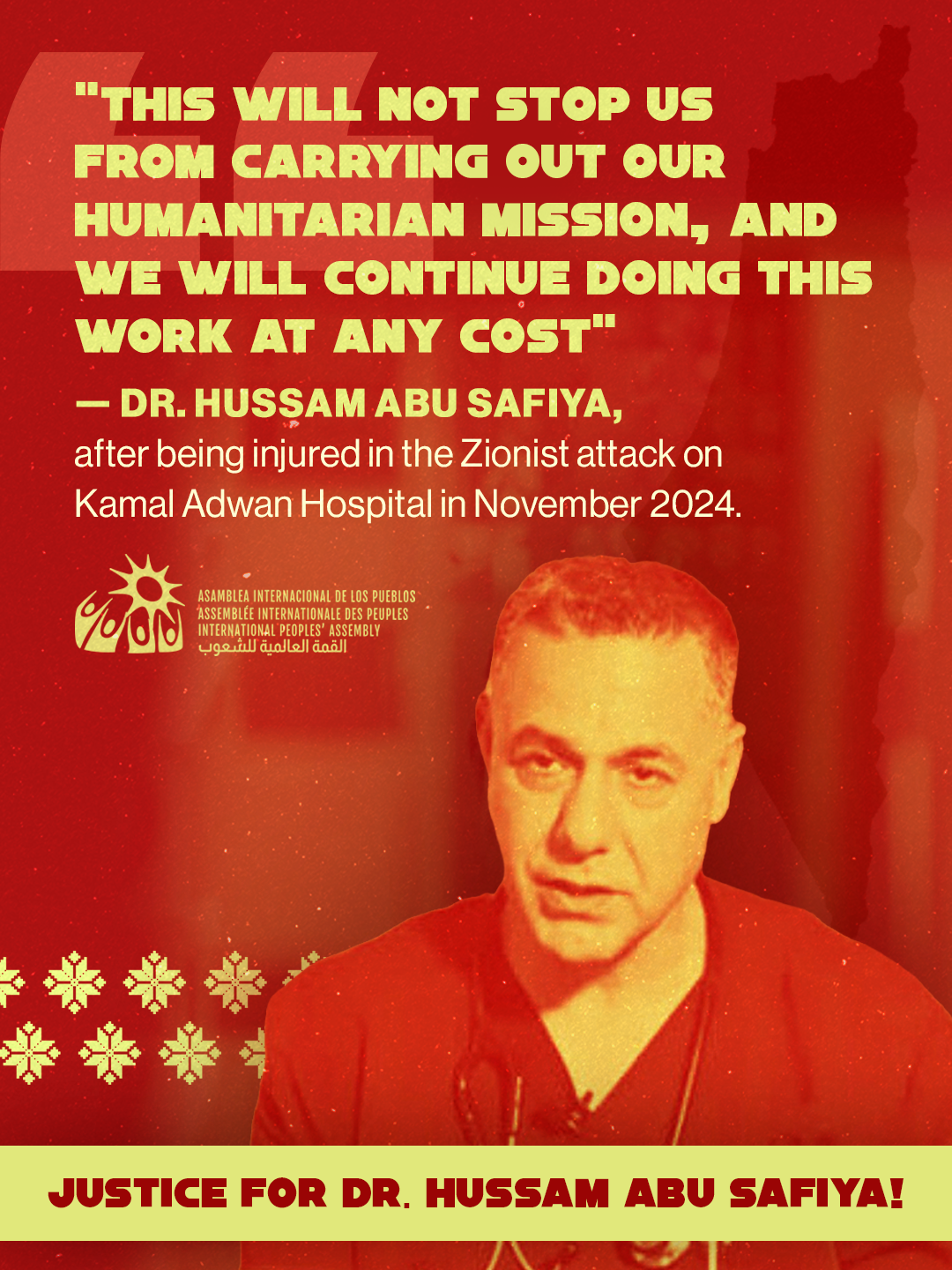
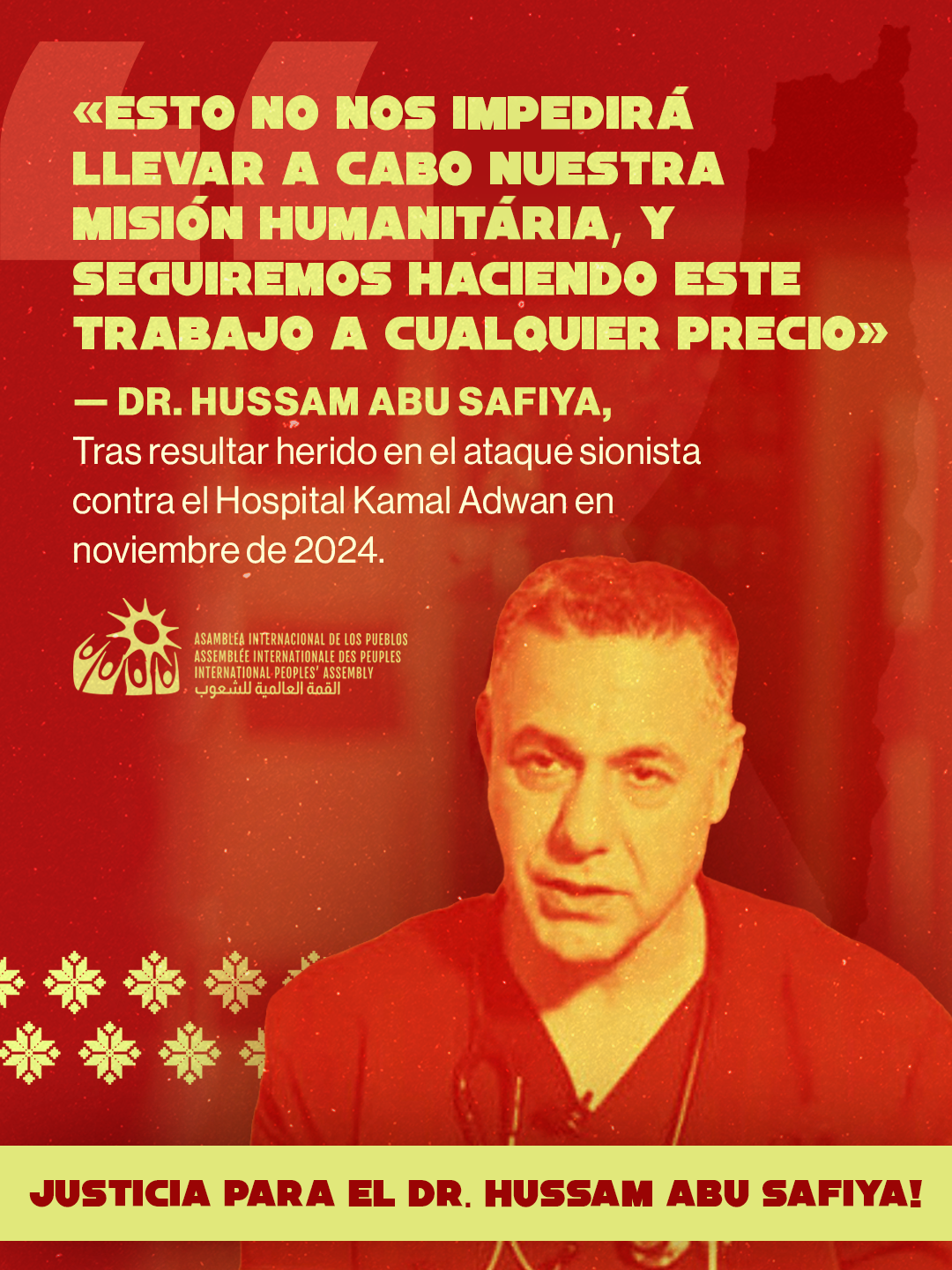
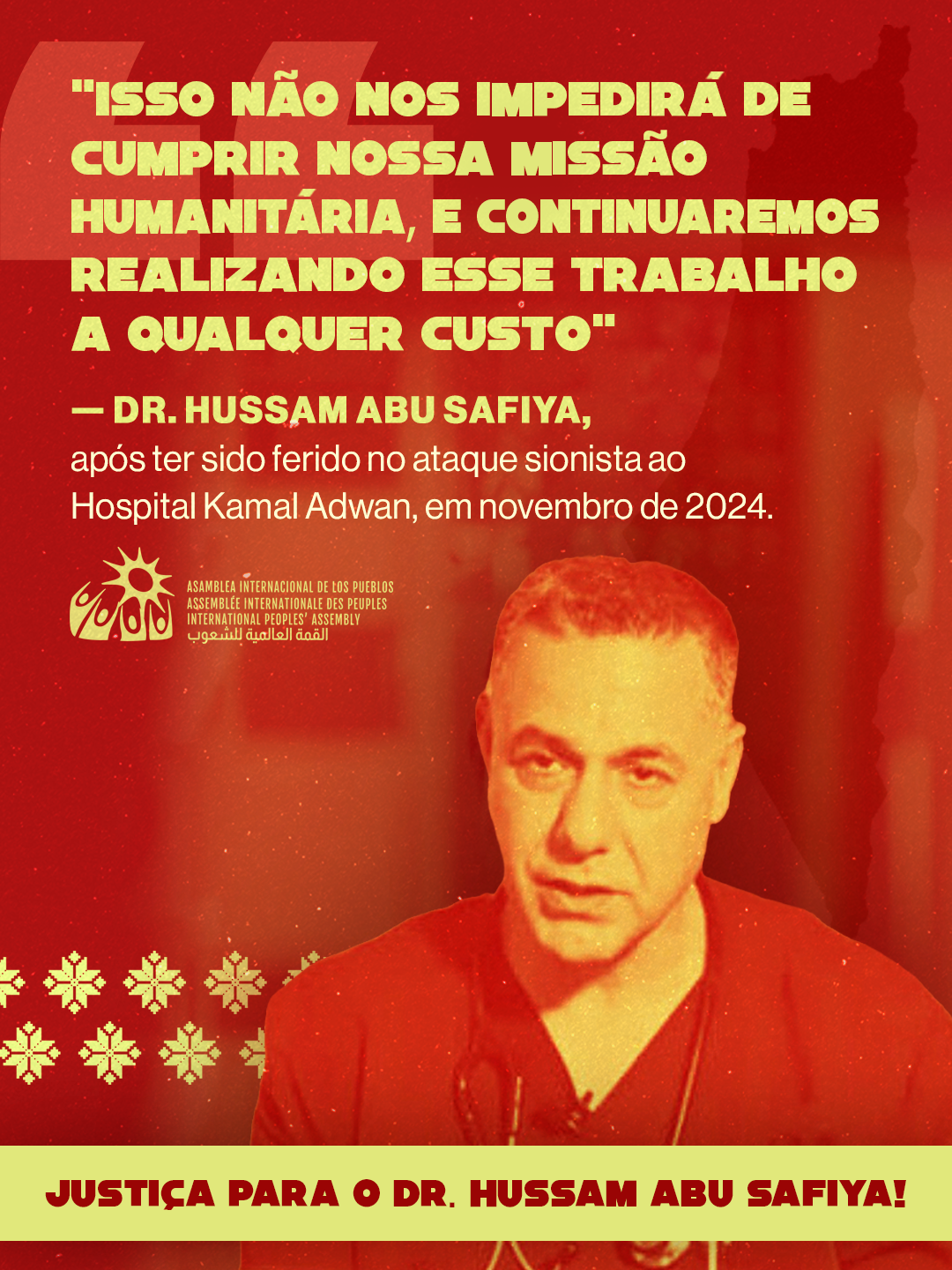
The broader implications of his continued imprisonment are being felt throughout the international healthcare community. With reports from sources like Healthcare Workers Watch indicating that dozens of other medical personnel remain in similar conditions, Dr. Abu Safiya’s case has galvanized a global network of activists. There is a growing consensus among these groups that the targeting of the medical sector is not an accident of war but a deliberate strategy of containment and punishment. The fact that he is still being held, despite having performed his medical duties in accordance with international law, has become a rallying cry for medical professionals globally who are demanding the protection of the “medical neutrality” that is meant to safeguard doctors and patients in conflict zones.
As of mid-2026, the situation remains in a state of suspended animation. While his lawyers continue to file appeals and human rights groups monitor the court sessions, the fundamental reality for Dr. Abu Safiya is one of daily struggle for survival. He remains in confinement, denied consistent access to the medications required for his chronic illnesses, and separated from the hospital he spent decades serving. His supporters, however, remain steadfast, arguing that his release is an urgent moral necessity. They contend that as long as figures like Dr. Abu Safiya remain behind bars for the crime of treating the wounded, the international community’s commitment to humanitarian principles remains profoundly hollow. The campaign to secure his freedom, therefore, is not merely a legal fight; it is an effort to reassert the value of human life and the critical importance of the medical mission in the face of ongoing, systemic oppression.
The plight of Dr. Abu Safiya is mirrored by thousands of other Palestinians currently held in Israeli detention centers, a population that has swelled significantly since October 2023. As of mid-2026, there are over 3,358 administrative detainees, individuals held without charge or trial, and more than 9,500 total Palestinian detainees. The current conditions within these facilities, described by human rights institutions as “torture camps,” involve systematic exposure to beatings, starvation, denial of medical care, and, in many reported instances, sexual violence.
The arrest campaigns have become increasingly indiscriminate, targeting journalists, children, and women, often using “secret files” to bypass any semblance of due process. This broader crisis of mass incarceration is increasingly recognized as a structural component of the occupation, used not only to suppress dissent but to dehumanize and fracture the collective life of the Palestinian people. As reports continue to surface of former detainees suffering from severe physical and psychological trauma, and, in tragic cases, dying shortly after their release, the situation of the prisoners has become an urgent humanitarian emergency, demanding far greater attention and accountability from the global community.