Debt, dependency, and the modern colonial chokehold on Asia
The world's economic centre of gravity is shifting to Asia and it is where the battle to build genuine people's power will be decided.
The world's economic centre of gravity is shifting to Asia and it is where the battle to build genuine people's power will be decided.
Fifty years after the fifth Non-Aligned summit, delegates from fifteen countries gathered in Colombo to demand an end to foreign bases, debt bondage, regime change, and brain capture in Asia.
Fifty years ago, in August 1976, Colombo hosted the fifth Non-Aligned Movement (NAM) Summit. The summit’s declaration embodied the Bandung Spirit, and its resolve for peace, sovereignty, and development in the Third World. Among the many points of emphasis was the militarisation of the Indian Ocean during the Cold War. In 1971, Sri Lanka had succeeded in pushing for the UN Declaration of the Indian Ocean as a Zone of Peace. The peace zone proposal, therefore, loomed large in the final declaration of the fifth NAM summit
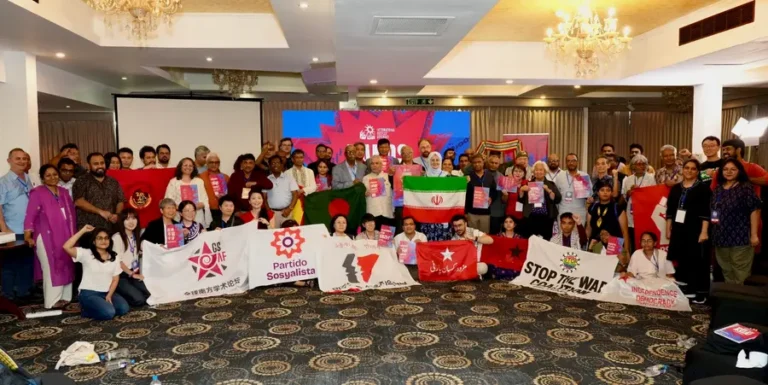
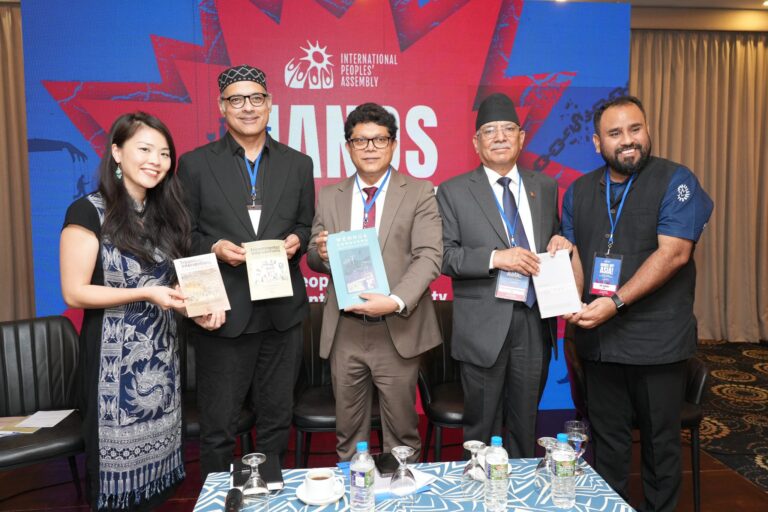
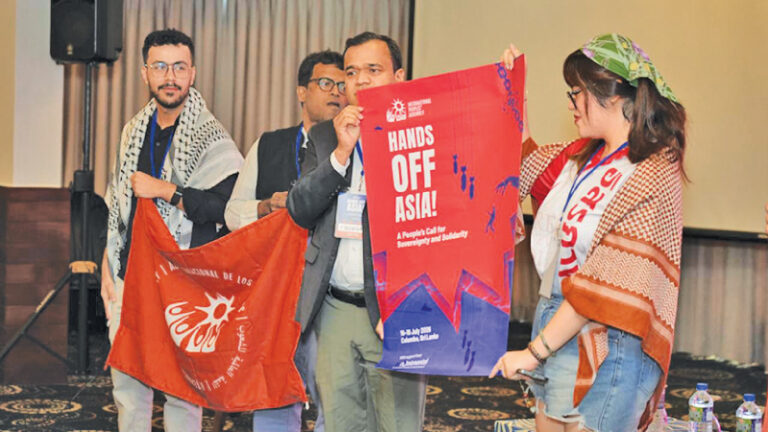
Iran's confrontation with American imperialism highlighted a broader agenda at the recent Hands Off Asia conference in Colombo. The event convened activists, scholars, and political leaders from across the Global South to challenge foreign military expansion, economic dependency, and technological control. Delegates adopted the landmark Colombo Declaration, calling for sovereignty, non-alignment, and people-led development throughout the region.
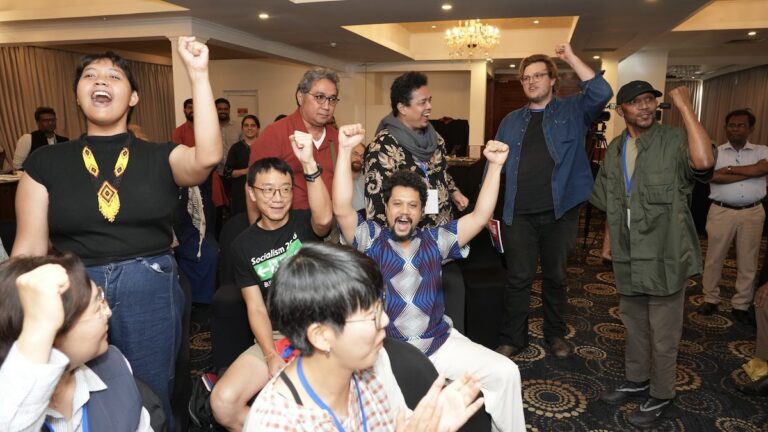
The "Hands Off Asia" conference closed with leaders resolving to build solidarity, a people's culture, and collective struggle in the face of escalating imperialist threats against the region.
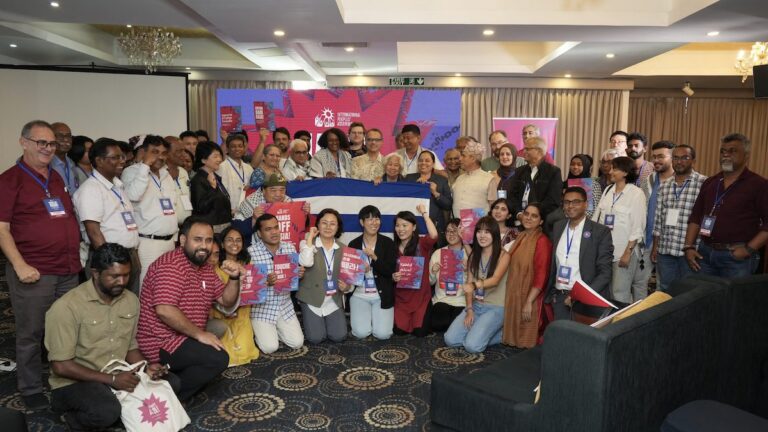
The “Hands Off Asia” Conference featured panel discussions on debt, financial systems as undermining sovereignty, militarism, the fight against the right, and solidarity with Cuba.
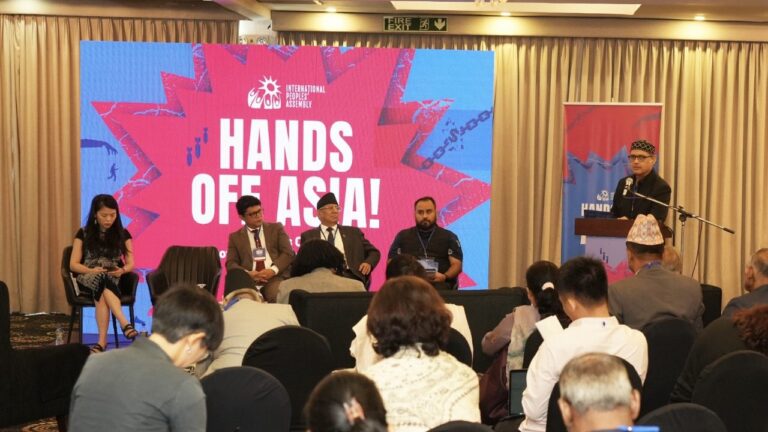
In the last several days, activists from across Asia gathered in Colombo to advance a new socialist development theory, and to fight the battle of ideas needed to make socialism visible in the present.
Lebanon says Israel has just destroyed two whole schools in its devastated South, while the UN says Israeli firing on a funeral event in Gaza killed 14 people. Washington confirmed yesterday that the US’ attacks on Iran would continue for a second week.
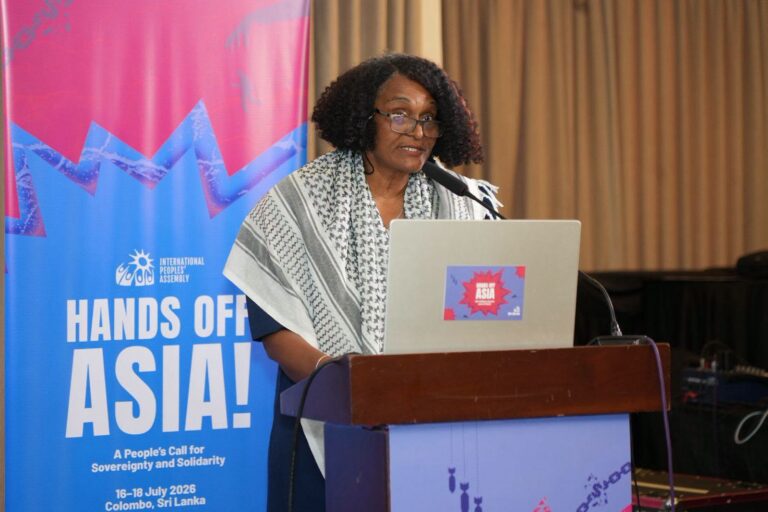
Cuban Ambassador to Sri Lanka Patricia Lázara Pego Guerra emphasizes that it is essential to protect the sovereignty of countries and strengthen multilateral international relations in the face of the current global crisis.
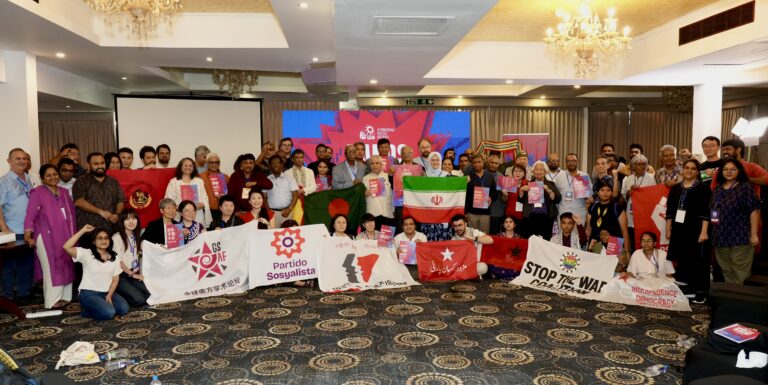
Gathered in Colombo for ‘Hands Off Asia: A People’s Call for Sovereignty and Solidarity’, a conference organized by the International Peoples’ Assembly (Asia) and supported by Tricontinental: Institute for Social Research, we – representing movements, political parties, trade unions, and people’s organizations from 15 countries across Asia – commit ourselves to a single call that echoes across our continent.