The Turbulence of the Indian Economy
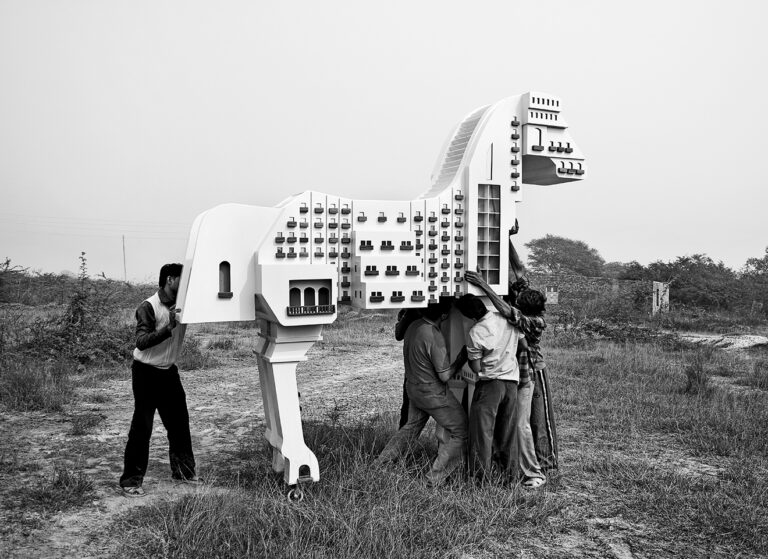
India’s neoliberal turn since the 1990s has accelerated deindustrialisation; as the global order shifts, the country’s left must seize any openings to push for autonomous national development.
India’s neoliberal turn since the 1990s has accelerated deindustrialisation; as the global order shifts, the country’s left must seize any openings to push for autonomous national development.
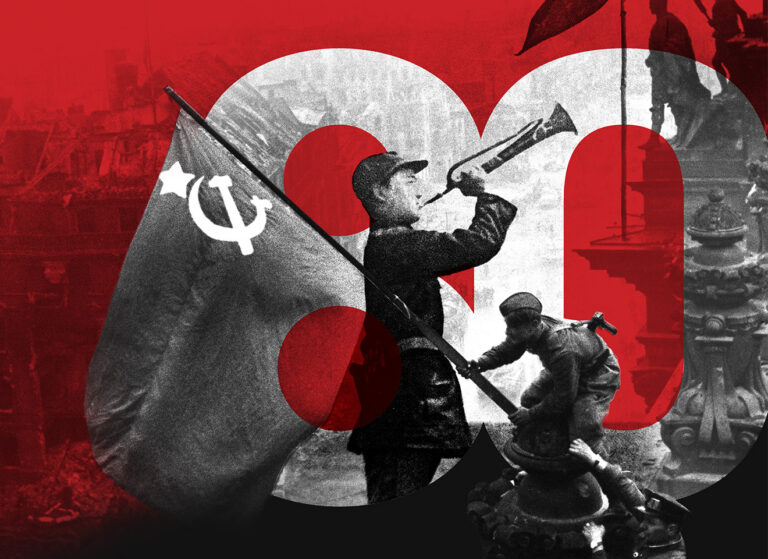
As we commemorate eighty years since the people’s victory in the World Anti-Fascist War, we must remember who truly saved humanity – and honour their sacrifice with the truth.
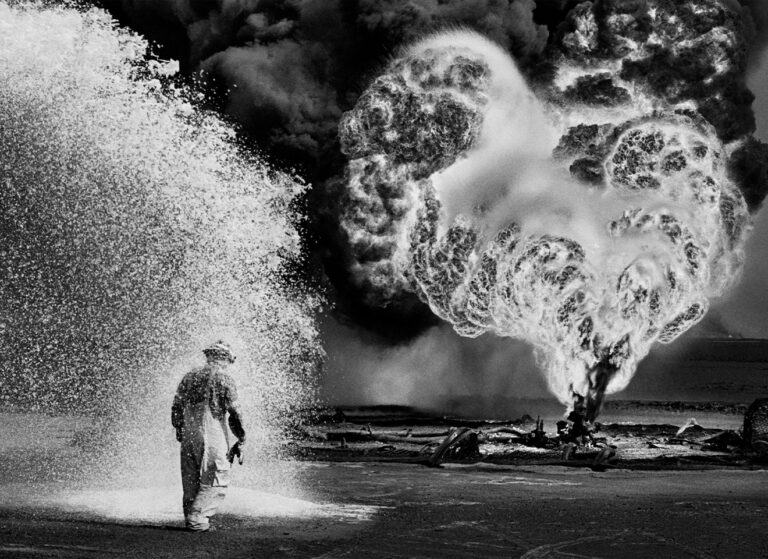
One of humanity’s greatest challenges today is the environmental crisis, which threatens our very existence. Our latest dossier explores its class character, showing that the climate catastrophe is a product of capitalism’s relentless drive for accumulation.
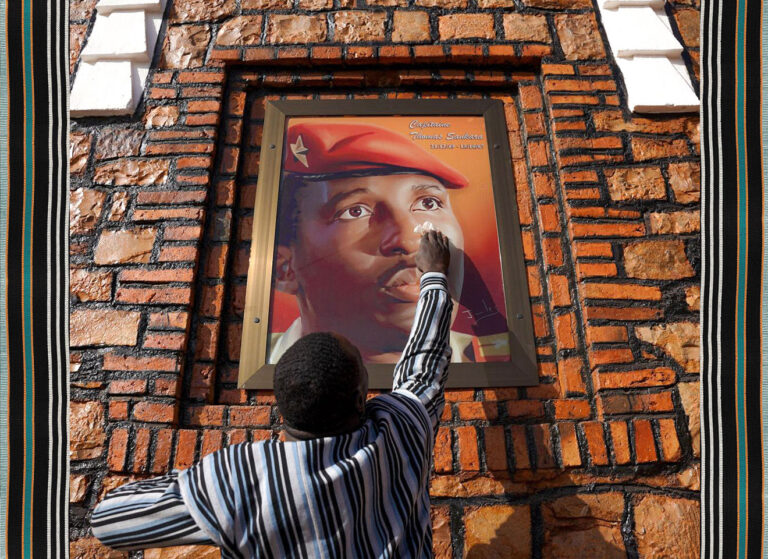
On the heels of popular military coups, how are Burkina Faso, Mali, and Niger returning to a path of sovereignty while navigating a legacy of dependency and internal-external security challenges?
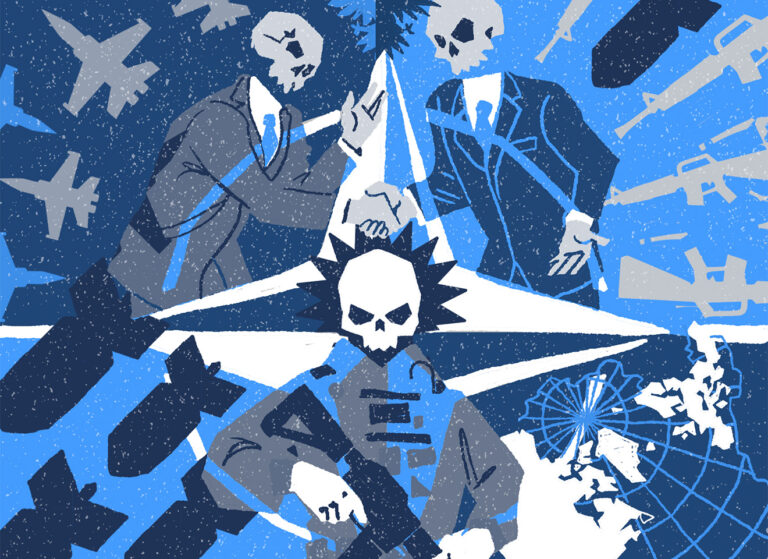
The North Atlantic Treaty Organisation is the only real military bloc in the world – one whose mandate and ambitions stretch far beyond the North Atlantic and, in fact, constitute the greatest threat to world peace.
Our latest study explores how the decline of Global North hegemony has shifted the geopolitical landscape and opened new possibilities for emergent organisations of the Global South.
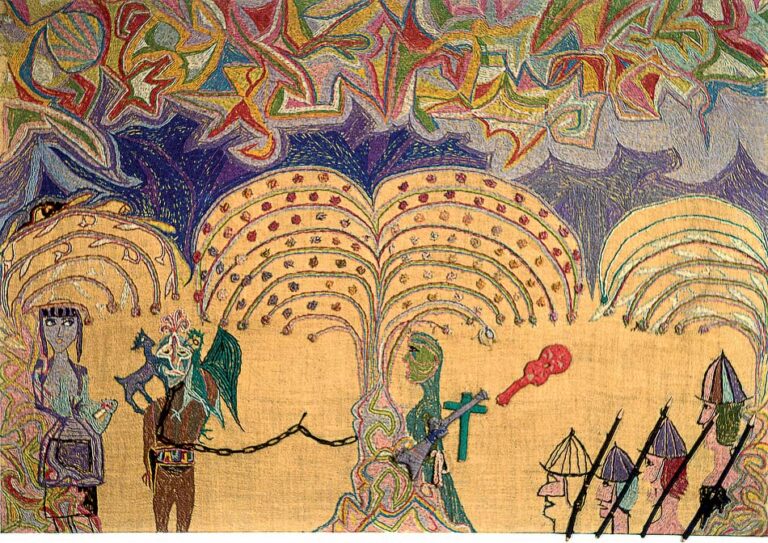
The Cuban Revolution came about in a country subordinated to the US from all points of view. Although we had the façade of a republic, we were a perfect colony, exemplary in economic, commercial, diplomatic, and political terms, and almost in cultural terms.
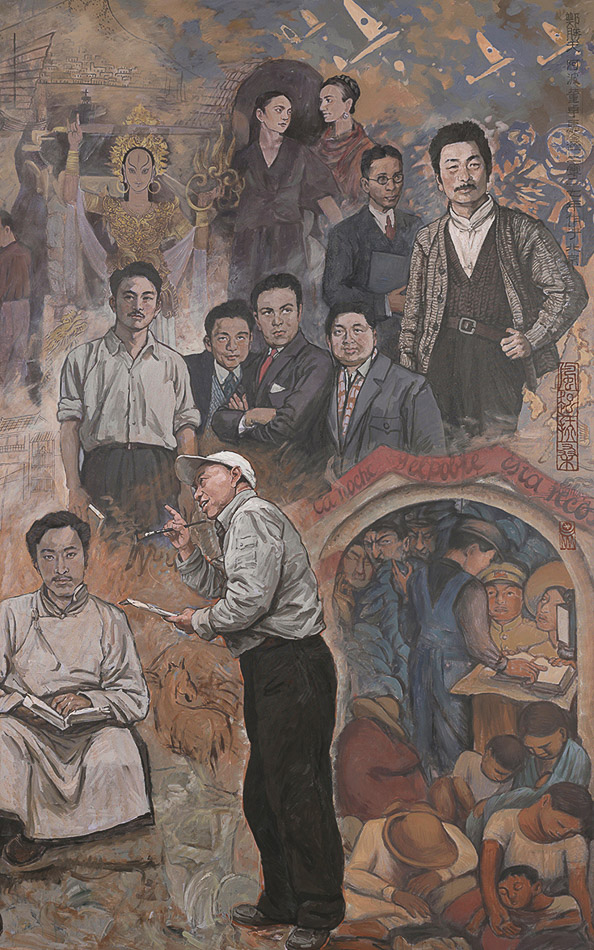
The prophecies regarding the ‘New American Century’ have been left behind as the People’s Republic of China re-emerges as both an economic powerhouse and a global player. The United States’ strategies to advance its vision of unipolarity have been buried under the rubble of a Western world that sought to make the entire planet its dominion.
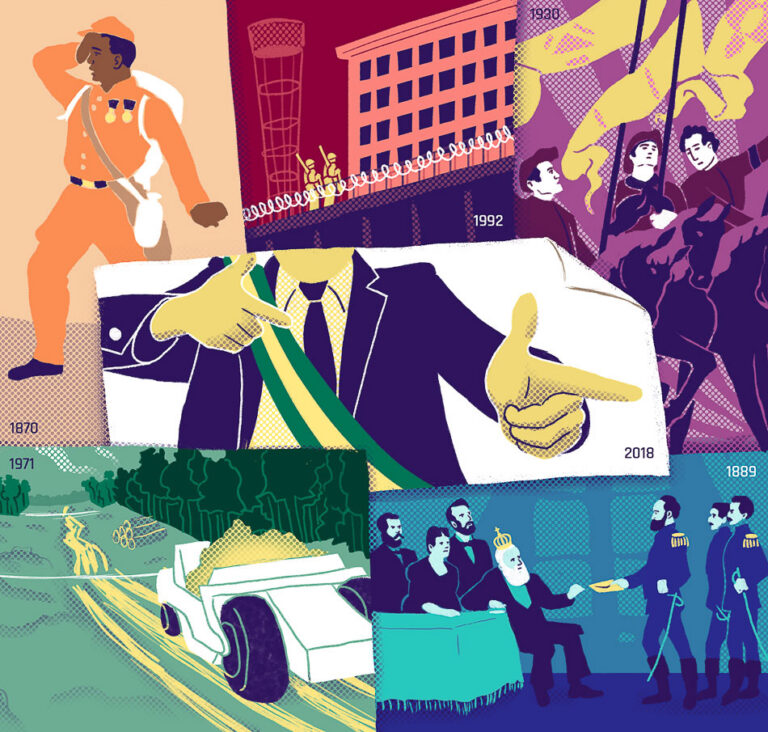
Throughout history, the Brazilian Armed Forces have looked inwards towards their own territory and peoples. They are centred around the construction of an ‘internal enemy’ to justify its tactics, strategies, and accumulation of forces. The art for this dossier highlights emblematic ‘internal enemies’ constructed throughout history. These portraits, placed alongside other historical artifacts, rekindle a collective memory. They are, in fact, portraits of ourselves – the people, the poor, and the dispossessed – in the act of resistance.
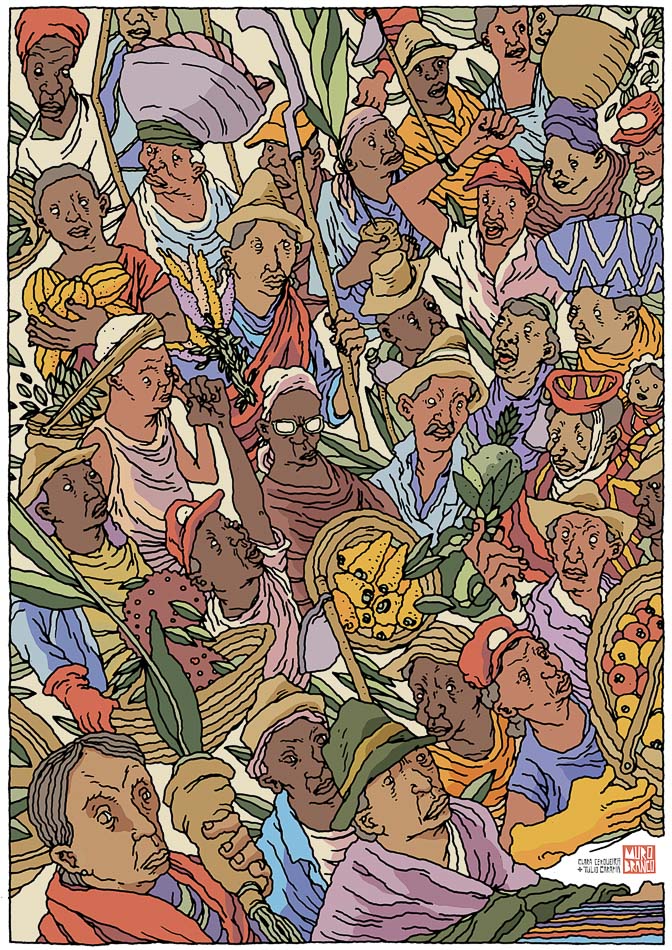
Four emblematic coups have now been substantially reversed: Chile (1973), Peru (1992), Honduras (2009), and Bolivia (2019). Each of these coups was driven by political forces of the far right backed by the military and by the United States government. Presidents Gabriel Boric of Chile, Xiomara Castro of Honduras, Luis Arce of Bolivia, and Pedro Castillo of Peru join a range of presidents who represent political forces of the left. Each of them fought electoral campaigns against nasty, fascistic political forces with close ties to the United States government. It was clear that Washington wanted to see these fascists in power to advance its agenda of squeezing the left across Latin America. But Arce, Castillo, Castro, and Boric emerged victorious based on broad coalitions of workers and peasants, the impoverished urban precariat, and the declining middle class. Mass mobilisations defined their electoral campaigns from the highlands of Bolivia to the Caribbean lowlands of Honduras.