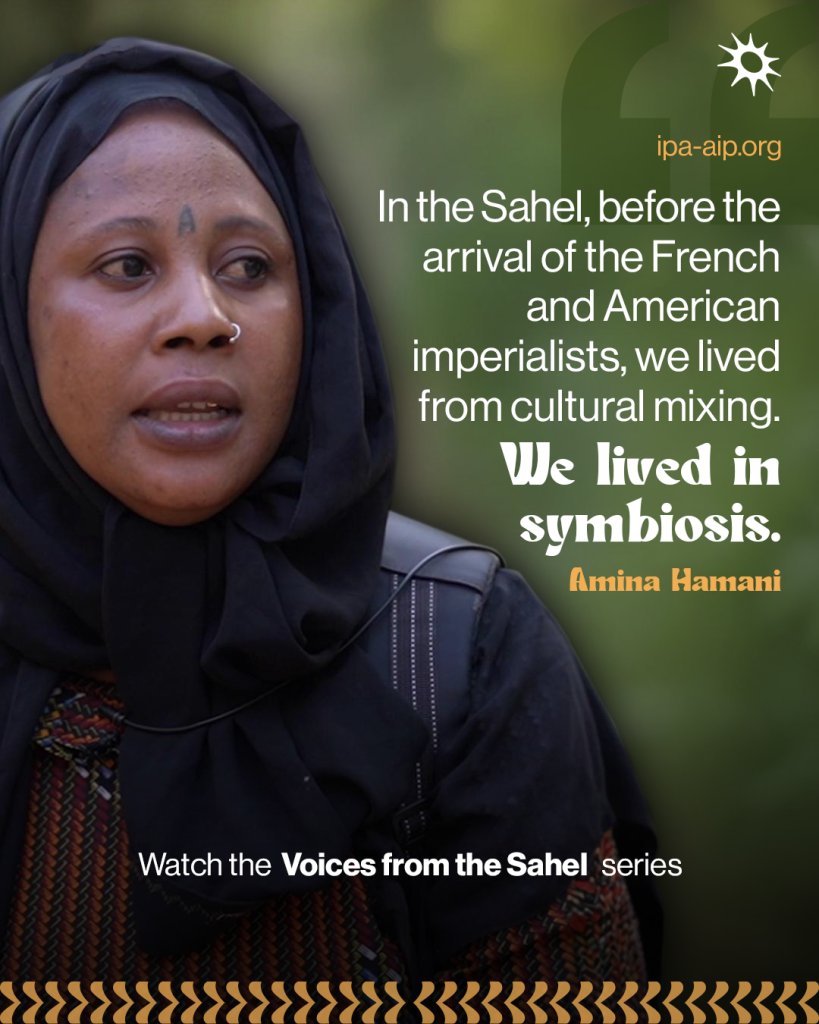
Voices from the Sahel
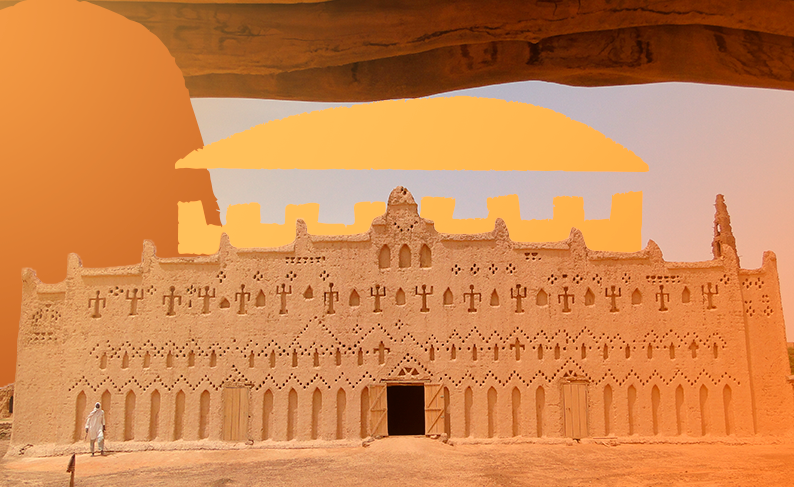
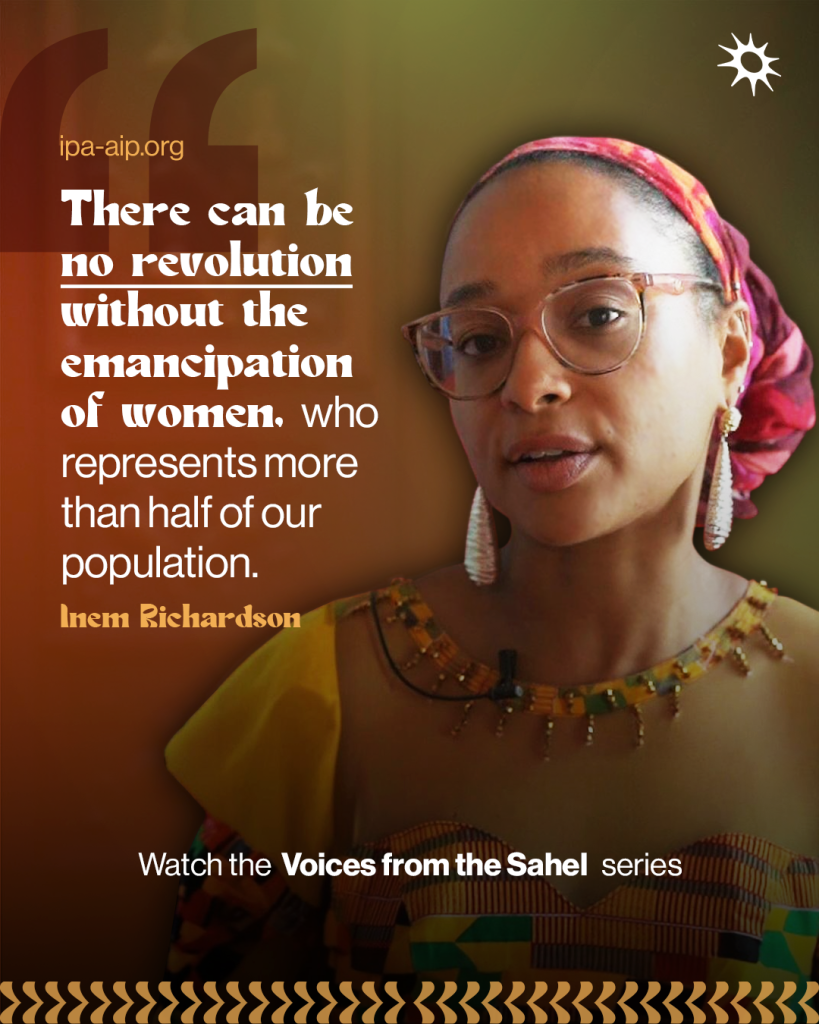
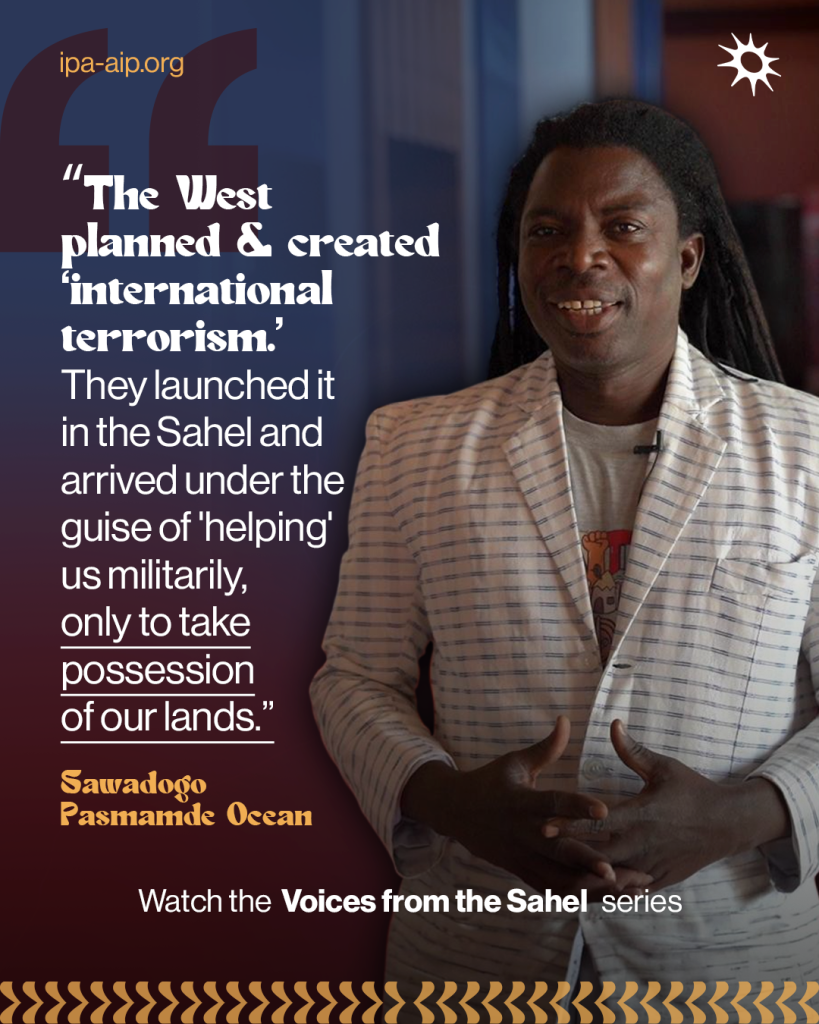
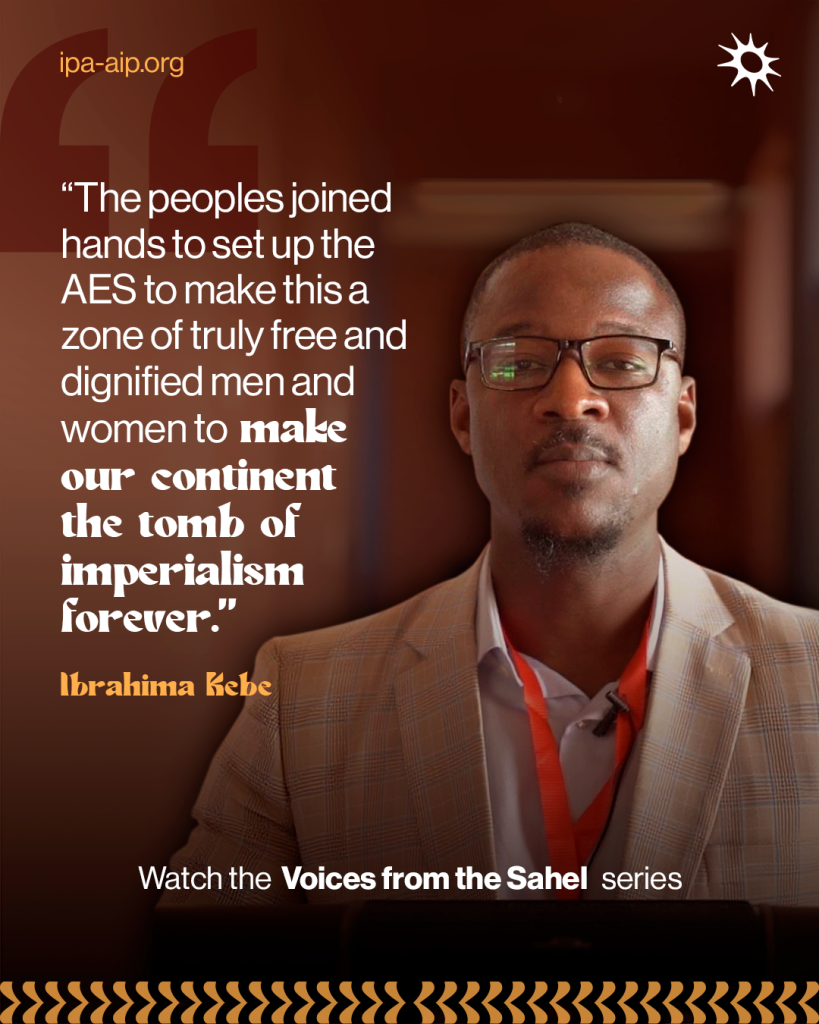
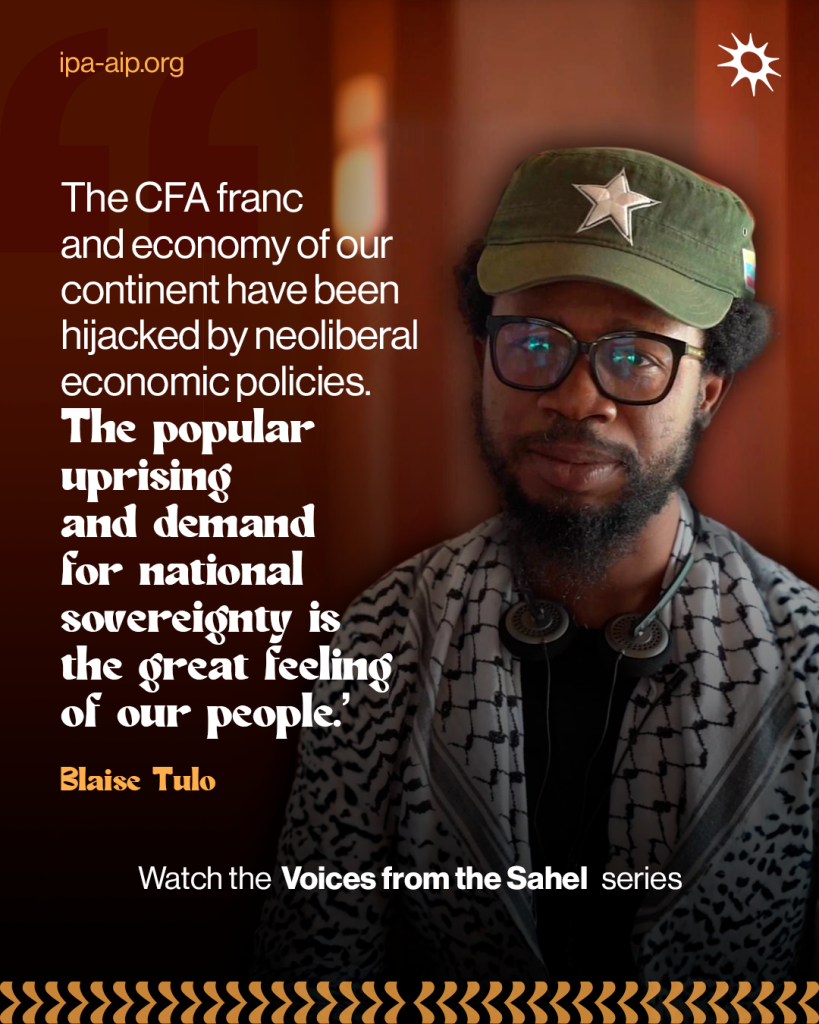
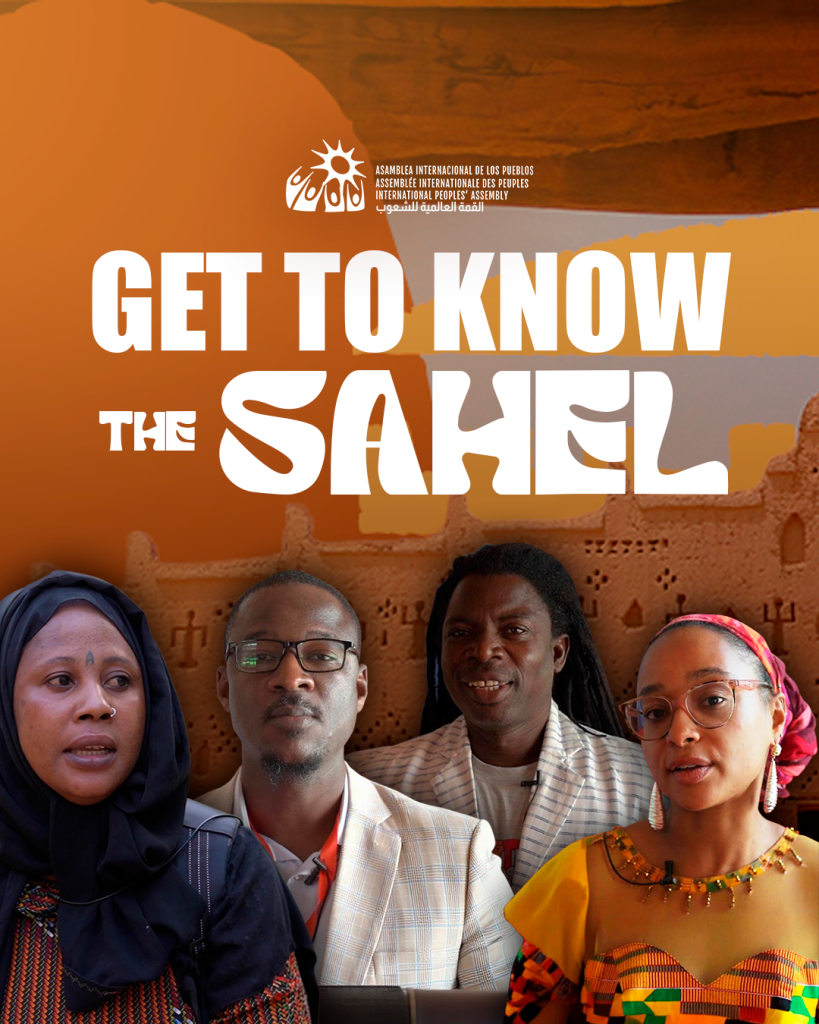
We invite you to meet “Voices from the Sahel,” a special series of materials aimed at bringing the stories, struggles, and hopes of the peoples of the Sahel closer to the world. This series presents, through videos, articles, and interviews, the voices of leaders, activists, peasants, youth, and women who today raise the banner of a united and free Africa.
Why the Sahel? The Sahel is much more than a strip of land stretching between the Sahara and sub-Saharan Africa. It is a region shaped by a deep history of resistance, from the anti-colonial struggles of the 19th century to today’s efforts to break the chains of neocolonialism. Countries like Mali, Burkina Faso, and Niger not only face severe crises — mass displacement, violence, and extreme climate change — but are also leading unprecedented processes to reclaim their sovereignty.
This series shows how centuries of systematic plunder, European-imposed borders, unequal economic treaties, and foreign military bases have prioritized the interests of powers like France and the United States.
But the story doesn’t end there. The materials in “Voices from the Sahel” also take us into the current processes challenging this situation: the formation of the Alliance of Sahel States (AES), the expulsion of foreign troops, the nationalization of mines and resources, and the creation of sovereign development policies.
At the International Peoples’ Assembly, we believe that to understand the Sahel is also to understand ourselves: to grasp how imperialist power networks operate, how the peoples of the Global South resist, and how we can weave alliances of international solidarity.
Tricontinental Institute
On the heels of popular military coups, how are Burkina Faso, Mali, and Niger returning to a path of sovereignty while navigating a legacy of dependency and internal-external security challenges?
Brasil de Fato
42 years after the 1983 revolution, Burkina Faso takes bold steps toward sovereignty.
Brasil de Fato
The presence of some of the biggest names in the sport signals support for the country’s revolution.
Peoples Dispatch
On the anniversary of Thomas Sankara coming to power in Burkina Faso, Jonis Ghedi Alasow reflects on how his legacy lives on in new Sahelian revolutions today.
Brasil de Fato
The seventh edition of the National Tree Day in Burkina Faso is inspired by Thomas Sankara’s legacy of environmentalism.
Brasil de Fato
Mali’s mining code change in 2024 puts pressure on foreign companies in the country.
Brasil de Fato
The measures mark another step in the Sahel country’s move away from French colonial rule and towards sovereign energy.
Pan Africanism Today Secretariat
As coup attempts against the anti-imperialist government of Burkina Faso increase, Pan Africanism Today calls on progressive forces to demonstrate solidarity with the revolutions across the Sahel.
Peoples Dispatch
African Liberation Day was established to honor the anti-colonial struggles of the African peoples and nations for independence, a fight which continues today with different contours.
Peoples Dispatch
The Alliance of Sahel States (AES) withdraws from ECOWAS and continues initiatives for independence, regional integration, and defensive cooperation.
Tricontinental Institute
The Forty-Ninth Tricontinental Newsletter (2024) talks about how Chad and Senegal joined Burkina Faso, Mali, and Niger in demanding the withdrawal of the French military from their countries.
Brasil de Fato / Peoples Dispatch
After expelling the French military, the people of Niger are fighting to overthrow the remaining colonial structures.
Brasil de Fato / Peoples Dispatch
Philippe Noudjènoumè blames France for terrorist presence in the Sahel and criticizes the Benin government’s collusion with Macron.
Tricontinental Institute
Mikaela Erskog discusses the Sahel’s fight against Western interference, the character of hyper-imperialism, and calls for Global South unity to propel regional sovereignty.
Tricontinental Institute
This newsletter seeks to better understand the wave of coups in the Sahel and the fervour for African sovereignty in the region.
Tricontinental Institute
Military coups in Niger and other Sahel countries represent broad, discarded sections of the population.